• “Out of the mouth of babes…” That phrase has been on my mind the last couple of days.

    During a video call with my oldest son, my daughter-in-law, and my little granddaughter, she suddenly asked, “Why do you have those, Pops?” while pointing at my face. I thought she meant my reading glasses, so I answered, “Because I need them to see.” She shook her head and said, “No, those!”

    My son and I thought maybe she meant my beard and mustache, but that wasn’t it either. She was getting frustrated that we didn’t understand. Then she pointed to her own cheekbones beneath her eyes and said, “THOSE!”

    That’s when we realized she meant my tattoos. I have tattoos under each eye on my cheekbones. I honestly didn’t know how to answer her. She’d never asked about them before, even in person, much less over a video call. So I just said, “Well, I don’t really have a good answer for you.”

    There’s no simple way to explain those tattoos to a little child. Thankfully, my son stepped in and told her, “They’re art.” She understands art, and that satisfied her.

    The saying about children speaking honestly and without filters is absolutely true. But her question made me sad. I wasn’t expecting that, and I couldn’t have been prepared for how it made me feel.

    She doesn’t know anyone else with facial tattoos, or neck tattoos, or hand and finger tattoos. And thinking back to when I got most of mine brought up memories from a time in my life that wasn’t very healthy or stable.

    Not everyone struggling with addiction gets tattoos, of course. But a lot of us do, and in conversations with others in recovery, a lot of those tattoos were done when we weren’t in good places emotionally or spiritually. It made me ask myself something honestly… Do I regret my tattoos?

    The truth is, yes, most of them I do regret. Some I don’t regret as much, but others I keep covered, and hope someday to have professionally covered or changed. Like many things from my decades in addiction, they carry memories from darker times. Very dark times. But recovery teaches us something important, we can’t live in regret. We have to keep moving forward.

    On the back of my one year recovery coin, it says, “Like a tree, we must learn to shed our past, grow new branches, and reach for the light.”

    I carry that coin with me. At least once a day I hold it in my hands and press it to my heart and just hold it there. It comforts me in a way that’s hard to explain. To someone who hasn’t walked this road, it may seem like just a coin. But to me, it represents healing. Healing mentally, physically, and spiritually.

    A lot of people in recovery talk about addiction as being a spiritual wound or emptiness, and that healing often requires something deeper than willpower alone. That’s why groups like AA and NA speak about a “higher power.” Each person understands that in their own way, but the idea is that we don’t have to fight addiction alone. That we can’t fight addiction alone.

    Still, my granddaughter’s innocent question caught me off guard. I felt ashamed. Not because she meant anything by it, she was just curious, but because those tattoos remind me of who I was back then. Most days I forget they’re even there unless I see my reflection or notice someone reacting to them, looking at me warily.

    As I write this, I admit I’m emotional. I admit I am crying as I write this. I never want my granddaughter, or my grandson who will soon arrive, to think their Pops is a bad person. And remembering the place I was in when I got those tattoos brings back very painful memories.

    But here is the important part… I am healing. I am moving forward.

    Next year, I’ll get a two year coin. And really, it isn’t just the years that matter, it’s every single day! Every day of recovery and healing is worth celebrating. When substances no longer control your life, there is a kind of freedom that feels almost miraculous.

    And that is something to be grateful for.

    I’m grateful I’m still here so my granddaughter could even ask that question. I’m grateful for my family. And I’m grateful for that little coin I still hold to my heart every day.

    And tonight, I’ll hold it there again, in gratitude.

    Amituofo
    ~Buck
  • It’s sad that we’ve reached a point where even mentioning religion or beliefs can immediately raise defenses and trigger anger. That isn’t what this is about. This is about kindness, and about remembering our shared humanity.

    I’ve been following the monks who are walking across the United States for peace. If I had to describe what they’re doing in one word, it would be inspiring. They’ve walked through rain and snow, stepped on broken glass and nails, dealt with illness and exhaustion, and they just keep going. Not for attention or argument, but for peace. There’s something deeply moving about that kind of dedication.

    Recently, though, something happened that stirred up a lot of anger online. A pastor shared that when organizers asked if the monks could sleep on the church floor for a night, his first answer was no because their beliefs were so different. Later, after speaking with church elders, the answer became yes, and the monks were welcomed.

    But what people seem to be focusing on is the initial refusal, and many online reactions have been full of anger and outrage. Watching all of this unfold made me pause, because the anger surrounding the situation feels like the opposite of what the monks are walking for.

    And I understand where some of that anger might come from. Many people have painful experiences connected to religion or churches. I carried a lot of anger myself for many years, often without even knowing exactly why. Back then, anger just felt like my normal state.

    Getting sober and coming off benzos forced me to face a lot of that. These days my head is clear, and I find I don’t want to live in anger anymore. Life feels too short and too precious. To me, this situation isn’t about one religion versus another. It’s about how we treat people who believe differently than we do.

    If someone is hungry, feed them. If someone is cold or tired, help them. Kindness shouldn’t depend on politics, religion, nationality, or anything else.

    What strikes me is that many spiritual traditions, including Christianity and Buddhism, share this same idea of compassion and hospitality. Different paths, same reminder… take care of one another.

    So what am I really trying to say here?

    Not to preach. Not to lecture. Just to say that I wish we could slow down and treat each other with a little more kindness. Cruelty and outrage seem to be everywhere lately, and it wears on all of us whether we realize it or not. And to those upset on behalf of the monks, maybe it’s okay to just breathe and step back a little. The monks themselves didn’t seem offended. Their walk is about peace, not confrontation.

    Maybe the best thing any of us can do is try, in our own small ways, to practice goodwill where we are. We don’t all have to agree. But we can still remember we’re all human beings sharing the same road, this same Earth.

    As someone I deeply respect once said, there is no way to peace, peace is the way.

    Amituofo
     ~Buck

  • I’ve noticed something lately. A lot of people, including family, friends, and honestly, myself too, seem to be carrying a lot of anxiety and sadness right now. Everyone seems to feel just… stretched thin. So I want to ask a simple question, how are you doing, really?

    You don’t have to answer publicly if you don’t want to. If you’d rather keep it private, you can always message me, whether that’s through Facebook, Bluesky, or the contact page here on the blog. Sometimes just having someone ask, and mean it, can matter a lot.

    Most of us are already carrying so much even during “normal” days. When something extra gets added on top of that, it can tip things from manageable to overwhelming pretty fast. The weather, the news, even something as small as catching a cold can suddenly feel like too much.

    For me lately, it’s been a combination of a health worry and what’s been going on in our country. The health issue isn’t catastrophic, it’s just one of those things that gets more noticeable when stress is high. As for the news, I don’t actively follow it. I avoid it as much as I can. But some events are unavoidable, no matter how carefully you manage or curate your attention. And when those sort of events, those headlines break through, they can hit hard.

    When things start to feel like that for me, I’ve learned I need a kind of “rescue plan.” Something, or more often, a few small things, that helps calm my nervous system before everything spirals. I had to learn this just to survive benzo withdrawal, and it turns out those same tools are still helping me now.

    I have a few daily practices that are non-negotiable for me. Meditation is one of them. I know it sounds cliché, but I’ve learned the hard way that I need it to stay steady. I also go to the gym every day, eat as well as I reasonably can, and spend time in prayer. These aren’t things I do because I’m disciplined or virtuous, I do them because I feel the difference when I don’t.

    When stress ramps up, I don’t drop those practices, I lean into them a little more. I’ll meditate longer. I’ll spend more time studying or researching things that interest me, because that kind of focused curiosity is calming for me. And sometimes, honestly, I’ll just play a favorite game. It may sound silly, but it helps. For me, it comes down to keeping my mind from being consumed by worry, staying connected to my spiritual life, and doing what I can to take care of my body.

    If you’re feeling stressed too, one gentle suggestion, not like some sort of a “command”, is to see if you can take your focus off whatever’s weighing on you, even briefly. I know that’s easier said than done. But if the stress is coming from current events or constant news consumption, maybe a pause would help. Not forever. Just a break.

    I’ve written before about how cutting news out of my life has helped me, but even stepping away temporarily can make a difference too. And if you’re a spiritual person, it might help to shift your attention away from the noise and back toward the practices or beliefs that ground you.

    One last thing that’s helped me more than I expected is helping someone else. Nothing grand or dramatic. Something small. Holding a door. Helping someone carry groceries. My family and I have started putting together small care bags, water, rain ponchos, toothbrushes, toothpaste, and handing them out to people who need them. Sometimes we’ll buy food and give that out too.

    That’s just one example. You don’t have to do anything like that. The point isn’t the specific act, it’s the way helping others softens the heart. Stress has a way of hardening us if we let it. Small acts of kindness can gently push back against that.

    I hope something here has been helpful, even a little. If you’re feeling overwhelmed, I hope you can find whatever brings you some steadiness. And if you need to reach out, please do, to someone you trust. If you don’t have anyone like that right now, I’ll help in whatever way I realistically can.

    Peace. Because I think we could all use some.

    Amituofo
     ~ Buck

  • I’ve always tried to keep this blog free of politics. That choice is intentional. We live in a world saturated with outrage, division, and headlines designed to keep us in a constant state of alarm. My writing has been meant to be a place of refuge from all that. A place to breathe, to reflect, to remember what it means to be human.

    But there are moments when silence no longer feels like peace.

    Over the past days, I’ve watched events unfold in Minnesota that have left me deeply shaken. A man named Alex Pretti lost his life in an incredibly disturbing violent way. Video footage, witness accounts, and official statements from federal authorities do not seem to line up. I’m not writing as an expert, a journalist, or an authority on what “really” happened. I’m writing as a human being who watched another human being die, and who felt something inside me say, this mattersThis is too much.

    Alex Pretti was an ICU nurse. Someone who spent his life caring for others in their most vulnerable moments. Whatever else may be argued, that is a fact that deserves to be mentioned and honored. A life like that is not abstract. It’s not a statistic. It is a story that now ends far too soon.

    This is not about politics for me. It’s about the sacredness of life. It’s about power and accountability. It’s about the deep unease that arises when institutions meant to protect life appear to act without any transparency, and when explanations feel evasive rather than honest.

    I don’t pretend to know all the facts, but I know what I saw. I do know how it felt to watch footage where a man lay dying while others stood by or counted bullet holes. I do know how it felt to see what looked like celebration in the aftermath of a killing (another agent clapping). And, I know that something in me, shaped by my faith, by my recovery, by my suffering, by compassion, could not just simply look away.

    I want to say this clearly, questioning the use of force is not hatred. Asking for accountability is not extremism. Grieving a life lost is not disloyalty. These are human responses, not political ones.

    I am also aware that some people I love see these events very differently. That reality is painful. But love does not require silence when conscience is stirred, and conscience does not require cruelty to be honest.

    My Buddhist practice has taught me something simple yet difficult, to bear witness without turning away. To see suffering and not immediately harden into ideology or rage. To let grief speak before opinions do. To ask, gently but firmly, what kind of world we are becoming, and what kind of people we are choosing to be.

    I am not calling for vengeance. I am not calling for choosing sides. I am calling for truth, restraint, and respect for human dignity. Values that don’t belong to any one party or belief system.

    If that means I lose readers who are comfortable with violence or dismissiveness of human life, I accept that. This space was never meant to be comfortable at the cost of compassion. It was meant to be honest.

    I still believe in peace. I still believe in refuge. But peace does not come from pretending that injustice doesn’t hurt us. Sometimes peace begins by saying, quietly and clearly, this is not okay.

    May we remember that every life is sacred.
     May we resist becoming numb.
     May we choose humanity, even when it costs us something.

    Amituofo
     ~Buck

  • ____________________________________________________________________________________________________
     Note: I wrote this 2 days ago, before what happened in Minneapolis yesterday. I had planned on publishing it yesterday but didn’t. I’m publishing it now, in the hope that it may help anyone who is feeling overwhelmed by the weight of the world these days. I know it’s inadequate. But it’s all I have to offer, so I offer it freely. What I wrote isn’t about politics, I don’t “do politics”. It’s simply about healing and peace.
     ————————————————————————————————————————

    What’s something that brings you real peace, day in and day out? Not a vacation kind of peace, or a once in a while type thing, but something that actually steadies you in life.

    I don’t think peace has to be elaborate. At least, it hasn’t been for me. Most of the peace I’ve found doesn’t come with bells and whistles or complicated rituals. It shows up in the small and ordinary things like gratitude, prayer, meditation, a kind word offered without thinking too hard about it.

    In my support group, I hear a lot of real life stories about how simply passing along the kindness we’ve been shown ends up being deeply healing. And that’s not just a recovery thing. Every one of us, at some point, has been helped by someone else. Maybe through a smile, a conversation at the right moment, or something much bigger that changed the direction of our lives forever.

    One of the things I try to practice these days, especially as I continue healing from benzos, is what I think of as being peace. I’ve written before about how peace begins with finding peace within, but for me it doesn’t stop there. Being peace means letting it move outward, into how I think, how I speak, and how I treat people. In that sense, peace becomes something active, something lived. Peace becomes a verb.

    Something that’s really struck me over time is that I’ve never met a rude or mean addict who was genuinely in recovery. Not once. Everyone I’ve met on this path has been kind, supportive, and trying to do better each day. Trying to heal.

    NA talks about how there’s a stereotype people often have of who “belongs” in recovery, and while that image fits some people, it misses a whole lot of others. The truth is, people in recovery are parents, professionals, students, artists, just regular human beings. And yes, some of us have tattoos. Some of us have been in jail or prison. I’m one of those people. I have tattoos on my face, neck, hands, and arms. I’ve been in jail. I’m also very aware that when I walk into a grocery store or meet someone new, their first impression of me is probably shaped by how I look. The tattoos.

    Because of that, I make a conscious effort to let what’s in my heart, the peace, the kindness, and the respect, speak louder than my appearance. I want to be seen for who I am now, not for assumptions or for who I used to be. For me, that’s also part of being peace.

    I’ve met people whose bodies are almost completely covered in tattoos, who’ve lived incredibly hard lives, and who are among the kindest, most genuine people I know. They laugh easily. They help freely. You can feel their kindness right away.

    And honestly, even people who’ve never struggled with addiction, who’ve lived what looks like a “clean” and “perfect” life from the outside, everyone has something they regret. Something they wish they’d done differently. It may not be as heavy, but it’s there. I’ve learned how important it is not to get stuck in the past, mine or anyone else’s. I can’t be peace if I’m living back there.

    There have been a couple of people who couldn’t accept my recovery, who could only see me as who I was years ago. All I could say was, “Don’t keep looking for me in the past, I’m not there anymore.” Then I let them pass peacefully out of my life. It wasn’t easy, but sometimes being peace means protecting the life you’re trying to build now.

    Whatever practice helps you create peace, whatever helps you be peace, I hope you keep it close and dear. The world needs that. It needs people who’ve lived, who’ve struggled, and who’ve learned compassion the hard way.

    The world needs you.

    Amituofo
     ~Buck

  • This is part two, and the final part, of what helped me get into recovery, stay in recovery, and ultimately get off benzodiazepines.

    In the previous post, I talked about support, recovery groups like AA and NA, faith (including faith in yourself), and the importance of living authentically. I’ll continue here with several other things that were just as crucial for me.

    Nature

    Nature has been profoundly healing for me, especially when my nervous system needed to relearn what safety feels like after decades of being on constant alert.

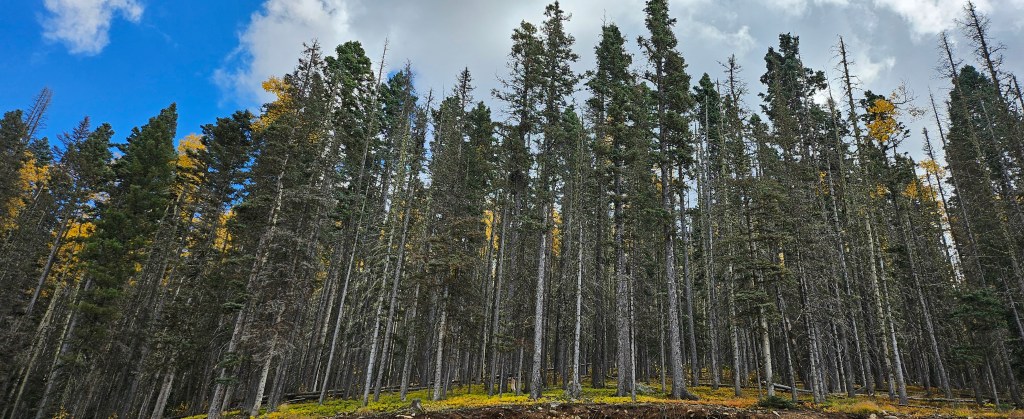
    The mountains quite literally held me during my hardest moments. Trees helped me stay upright when I could barely even stand. The forest animals were witness to my grief, and the earth caught my tears. What benzodiazepine withdrawal does to a person is almost impossible to describe, but my Lyfjaberg, my healing mountain, was always there for me.

    Cultures around the world recognize the healing power of nature. In Japan, there’s a practice called shinrin-yoku, or “forest bathing.” It doesn’t mean literal bathing in water, it means being mindfully present in a forested area and allowing the body to absorb the calming, restorative effects of trees and the natural compounds they release. It works for me.

    If you don’t have access to a forest, don’t worry. A park with trees, a trail, a quiet place outdoors, anywhere that allows you to breathe and feel held by the natural world, can help. Nature doesn’t require or ask anything from you in return. It simply receives and heals you.

    Meditation

    I meditate every day. For me, it’s as essential as food.

    Meditation brings my attention back to right now, the present. Even if that present moment is uncomfortable or unpleasant . When fear, worry, or physical symptoms are there, meditation helps me to look at those experiences instead of running from them. Over time, I’ve learned that when I do that those feelings often soften and eventually ease. They may return, but they no longer control me the way they once did.

    During withdrawal and even afterward, I worried a lot about my physical health. Benzodiazepine withdrawal did things to my body I never could have imagined. It brought intense pain and frequent runs of multifocal PVCs. When your heart feels like it might stop beating, it’s really hard not to be afraid. So I meditate.

    I’ve noticed that since I’ve lengthened my daily meditation practice, those PVC runs don’t last as long. I still have anxious moments, sometimes without even knowing why. I know now that this isn’t a failure, it’s my nervous system doing what it was trained to do. Your mind may know you’re safe, but your body may not believe it yet.

    There’s a well known book on trauma healing called The Body Keeps the Score, and that phrase is very real. When your nervous system has been conditioned over time to stay hypervigilant, it takes patience for it to learn safety again. Safety itself can feel unfamiliar, even uncomfortable, because the body is waiting for the next crisis.

    Meditation helps calm both the mind and the body. It isn’t a magic pill. Like everything else in recovery, it takes time, consistency, and commitment. You can’t just try it for a day or a week and decide it doesn’t work. Keep at it. It does work.

    Food

    Everyone has heard the phrase “eat healthy,” but in recovery it’s especially important.

    Healing is hard work. Your body is repairing itself, and that process requires energy and nutrients. Just as I talked in the last post about being mindful of what we consume mentally, what we feed our bodies matters too.

    It’s okay to enjoy treats now and then. But consistently nourishing your body with good food gives you the strength to get through each day. Your body has been through a lot. It’s working hard for you. Feed it well.

    The Desire, the Drive

    Finally, and this may be the most important part, you have to want freedom. You have to want to be clean more than you want to be comfortable.

    Addiction doesn’t mean you lack willpower. You do have it, otherwise you wouldn’t be here reading this. A friend of mine once said, “It’s not enough to be running away from something, you also have to be running toward something.”

    While you’re running away from addiction, you must also be running toward a goal. That goal is freedom. Sobriety. A life that belongs to you.

    Getting off alcohol was brutal. Getting off benzodiazepines was even worse. But I reached a point where I no longer wanted to be a slave to any substance. I wanted freedom more than I wanted comfort. And it was worth it.

    Substances no longer dictate my life. They no longer control my actions or my ability to experience joy. Once you reach the point where you’re no longer willing to let a substance keep taking from you, you’re already on the path to freedom.

    I hope these reflections help.

    I’ve written a lot about how difficult my recovery journey was. Now I want to share the freedom that came from it and help in whatever way I can. If you struggle with addiction, it does not mean you are a bad person. Addiction can lead people to do harmful and bad things, but recovery is possible. Don’t lose hope. Don’t give up. Reach out. Find support.

    There are people who want to help you. I am one of them. We want to see you heal, succeed, and live a life fuller and happier than you may be able to imagine right now.

    Amituofo
     
    ~Buck

  • This has turned into a much longer post than I intended, so I’m going to make it the first part of a two or three part series. Even this first part is long, but it feels important to share.

    I want to talk openly and plainly about some of the things that were, and are, absolutely essential in my recovery. There are far too many to cover in a single post, so I’m focusing here on the ones I know, without a doubt, that I could not have done without. I hope that by sharing them plainly, not just hinting at them in passing, I can help not only people in addiction recovery, but anyone who feels stuck, overwhelmed, or worn down by life.

    One important thing up front, these aren’t things you just read about and nod along to. They require participation. As many people in recovery have heard, “it works if you work it.” Healing, from addiction or from anything else, isn’t magic. It takes active effort. That effort can be gentle and smooth, but it does have to be real.

    These things aren’t listed in any particular order. They work together, as a kind of a holistic whole. Everyone is different, every body, every mind, so the language may need to be adjusted to fit your own situation. Still, I believe these principles can help almost anyone if they’re applied. They certainly helped me.

    Support

    We are social creatures. We need one another. In my case, my family was there for me through everything. Even in the darkest, most painful moments, they stood by me. I know that not everyone has that kind of support, and that matters. A lot. That’s where groups become so important.

    The support group I’m part of helped me in ways I can’t fully put into words. Groups like AA and NA, and others like them, exist for a reason. They are filled with people who understand what you’re going through because they’ve been there themselves. They know what works, what doesn’t, and what it really takes to stay in recovery.

    You can talk openly and honestly in those places. You can feel safe. And when something has been helping people for close to a hundred years, there’s a reason it has endured.

    Faith (Including Faith in Yourself)

    When people talk about faith, it’s often framed as belief in something “bigger” than yourself. That matters, but so does faith in yourself. That part is crucial.

    There’s a saying, “Whether you believe you can or believe you can’t, you’re right.” I want to be very careful with that. If you don’t yet believe you can overcome what you’re facing, that doesn’t mean you’re doomed. It just means you don’t yet have the tools you need. Faith is one of those tools.

    Throughout history, people have survived unimaginable hardship through faith of one kind or another. What makes faith so vital is that it keeps hope alive. And hopelessness is dangerous.

    When I was still on benzos, and alcohol before that,  and struggling with severe clinical depression, a doctor once told me something that I’ve never forgotten, “If you ever lose all hope, tell me. True hopelessness is deadly.” She was right.

    True hopelessness isn’t the same as feeling sad, discouraged, or even deeply depressed. It’s something even heavier. It’s the point where a person stops reaching out. Stops asking for help. Stops believing that help is even possible.

    If you or someone you love are feeling that kind of hopelessness, please reach out to someone now. In the States you can call or text 988, the Suicide & Crisis Lifeline, anytime, day or night. If you’re outside the U.S., local crisis lines are available in most countries. You are not weak for needing help. You’re human.

    Making Faith Your Own

    Here’s something that took me most of my life to understand… whatever your faith is, or isn’t, it has to be yours. This was one of my biggest struggles, and now I know that it played a role in keeping me trapped in cycles of shame and self-medication for decades. There is a deep, deep damage that comes from not being honest with yourself about what you truly believe. It’s hard to describe just how painful that kind of inner conflict can be.

    My family is almost entirely Christian. For decades, I tried over and over again to make myself believe the way they do. I even tried again during the early stages of withdrawal. I just couldn’t. And deep down, I knew what I believed all along, but I kept pushing it away. That hurt me, badly.

    I want to be really clear, I don’t blame anyone else for what I went through. I’m simply being honest about what helped me heal here.

    When I finally allowed myself to acknowledge, first privately, and then openly, what I truly believe at the core of my being, things changed for the better. I felt freer. More whole. More at peace than I ever had before in my life.

    Whatever you believe, or don’t believe, honesty matters. Your mind knows when you’re lying to yourself and so does your body. Medical science has long recognized that chronic internal conflict can show up as physical symptoms, and even illness. I lived that. Living authentically matters for healing.

    Your loved ones will still love you. They may struggle or feel uncomfortable, and that can be painful, but you are still you. You are still the person they love. And if someone does reject you for being honest about who you are, that relationship may not be safe for your recovery. Authenticity isn’t selfish. It’s necessary, and recovery work cannot be built around managing other people’s reactions. 

    You can’t allow yourself to think that you’re only well as long as everyone else is comfortable. That is not real freedom. That isn’t authenticity. You can’t tell yourself, “I’ll be honest, but only if it doesn’t make others uncomfortable”, because that’s not real honesty. I’m not advocating for conflict, I’m advocating for true authenticity and true honesty. And it’s not limited to faith, I use that example because I’ve lived it, it could be anything about yourself that you’ve always felt you had to keep hidden. Anything that makes you feel like you have to make yourself smaller in order for others to feel comfortable.

    I want to be clear that this isn’t a rejection of anyone else’s beliefs, nor a judgment of those who believe differently. It’s simply an honest account of what I needed in order to heal. People who are committed to misunderstanding you will do so no matter how gently you speak. If a reader in recovery sees themselves in my words and feels less alone, that is not outweighed by an adult choosing to be offended.

    Actively Choosing Peace

    Peace isn’t something you stumble upon “out there.” It’s something you cultivate. Your thoughts, your words, and your actions can either create peace or chaos. A lot of that comes down to what you consume.

    Consumption isn’t just food or drink. It includes the media you watch, the news you follow, the things you read, and even the conversations you regularly have. Anything that consistently feeds fear, anger, or despair is unhealthy, just like living on junk food would be unhealthy for your body.

    Most of us wouldn’t argue that eating highly processed food for every meal would eventually cause harm. The same is true for what we feed our minds.

    For me, one of the most healing choices I made was stepping away from the news entirely. News is designed to provoke fear and outrage, because fear and outrage keep people watching. This isn’t about politics, it’s about business models. Fear sells. Anger sells. Letting go of constant news consumption had a profoundly positive effect on my mental and emotional health. It wasn’t easy, but it was possible, and it was worth it.

    Choose peace where you can. In your thoughts. In your words. In your actions.

    I’ll share more soon.
    Thank you for reading! I wish you peace and strength.

    Amituofo
    ~Buck

    Photo Credit, my son, Ty Britt

  • How late is too late to work on oneself? When is it too late to become a better person, not just toward others, but toward yourself as well?

    At almost 60 years old, clean and sober now, I don’t feel that it’s too late at all. I do wish I had started sooner, a lot sooner, but I’m deeply grateful that I’m able to do this work now. I’ve already done the hard part, getting clean. That was huge. Staying clean, day after day, is huge too. I’ve made it a year now, and I know I can continue. I finally have faith in myself, a faith I’ve never had before.

    Something I’ve noticed since starting to truly work on myself is this… the kinder I am to myself, the kinder I naturally become toward others. And the kinder I am to others, even the “difficult” ones, the happier I am. In the past, I was an angry person. Especially when alcohol and benzodiazepines were in my life. Those substances were like gasoline on a fire. They fueled my anger and made it burn hotter and hotter. It consumed me, as fire always does.

    Then I went through another fire, benzodiazepine withdrawal. As painful and damaging as it was, that fire turned out to be a cleansing one. It burned away the facades and the masks and showed me what is real, what truly matters, and what is worth fighting for.

    I’m incredibly grateful to be able to make a fresh start, even at nearly 60 years old. It really does feel like a second chance at life. It’s exciting! I’m seeing the world through fresh eyes now, eyes no longer clouded by alcohol or benzos, and I like what I see. I’m sustained and energized by the love of my family, by my faith, and by life itself. In a very real sense, I feel renewed. For decades, I didn’t even know this kind of feeling was possible.

    I’ve also learned something essential… peace, real peace, starts within. I now believe, beyond any doubt, that if I want peace with others, I first have to cultivate peace within myself. So that’s what I do every day. I tend to it the way one tends a precious garden, watering the seeds of compassion and joy, patiently and intentionally.

    That doesn’t mean I don’t have bad days. I’m human. I still experience waves, the sudden, unexpected return of withdrawal symptoms. But now, instead of sinking into despair, I remind myself that those rough days are temporary. They pass. They always do. The joy returns.

    I had a great deal of support when I was getting clean, and I feel called now to pay that forward. If I can help someone, I will. I didn’t walk through all that fire and pain just to keep whatever goodness I found to myself. I receive a lot private messages, and they mean more to me than I can properly put into words. When someone tells me that something I wrote helped them, even if it was just enough to get through the day, it reminds me why I share any of this at all.

    Isn’t that what life is really about? Helping one another when and where we can?

    I understand completely why some people don’t want to comment publicly. That’s perfectly okay. Please keep sending messages, or use the Contact page here if you’d rather reach out that way. Wherever you are, and whatever you’re going through, I wish you strength and peace. Keep going. Don’t give up. And if you need help, please reach out, to me or to someone you trust.

    Amituofo
     ~Buck

  • Yesterday marked one year since my last benzodiazepine.

    For so long, this date was a horizon I wasn’t sure I’d ever reach. A promise, a fear, a measuring stick. I waited with hope, dread, and exhaustion. Now it has come and gone. What I find is not fireworks or finality, but a quiet, surprising spaciousness where the constant waiting used to be.

    And yet, last night, a brutal wave crashed through. A return of withdrawal symptoms. A nocturnal panic attack, my nervous system ablaze with the old, too familiar fire, robbing me of sleep and reminding me in no uncertain terms that healing is not a straight line. It was a stark, brutal companion for this anniversary.

    A friend called to congratulate me yesterday. He once said something that has stayed with me, “Whatever time we have left is ours now.” He is right. This time, however much is left, is mine. Not borrowed. Not managed by a pill bottle. Not dictated by the fear of the next dose, or the next wave.

    Mine.

    That possession doesn’t mean ease. My faith promises no such thing. What it, Buddhism, has offered, over and over, is something more honest… the capacity to meet life as it is, without being crushed by it. Last night, that meant sitting in the dark, with mindful breath, while my body screamed. My faith didn’t stop the pain. It helped me stay. It helped me remember that fear is not a command, it’s a visitor. It comes, it stays a while, and it leaves when it leaves.

    We spoke last night about how a Buddhist works the Twelve Steps. The question now answers itself in lived experience. The Steps aren’t about believing the right thing. They are about letting go of the illusion of control, telling the unvarnished truth, making amends, and learning to live without being run by fear and compulsion. As my friend said, “it’s about principles”. 

    Buddhism asks something profoundly similar.

    Not “believe this,” but “look deeply for yourself.”

    Look at craving. Look at suffering. Look at all the stories we tell ourselves about who we are and what we need.

    My recovery has been less about becoming someone new, and more about an unburdening. A setting down and letting go of what was never meant to be carried this long.

    There is grief in that. I won’t pretend otherwise. Grief for years dulled, moments missed, a life lived through a chemical fog. My faith doesn’t ask me to push that away either. Grief is part of love. Regret is part of waking up. But like a painful memory, it is not a place to live. I choose to live in the only place life can actually be lived, this present, this very moment. Here. Now.

    And so, today, even within the lingering tremor of last night’s storm, I feel something else rising more strongly.

    Permission.

    Permission to live forward without waiting for a finish line that may not look like I imagined. Permission to feel sparks of joy even while my nervous system stitches itself back together. Permission to trust that whatever time I have left, years, months, or just this single, shaky breath, belongs to this life. Right here. Right now.

    I don’t know what comes next. That’s just a fact. My practice has taught me that “not-knowing” isn’t a failure. It is a posture. A stance. A way of walking without armor, without waiting for the other shoe to drop.

    What I do know is this…

    I am no longer living under the constant, unrelenting shadow of addiction.
    I am no longer counting pills, or days between doses, or “emergency exits”.
    I am learning, moment by moment, how to be present for my own life.

    That feels like enough for today.

    And for the first time in a very, very long time, tomorrow doesn’t feel like something I have to survive.

    It feels like something I get to meet.

    Amituofo.
     ~Buck

  • One year off benzos today.

    Honestly, I didn’t think I would ever see this day. I was told, flat out, by doctors and pharmacists that I wouldn’t. That after more than twenty years, at high doses, this drug would always own a part of my life.

    Yet here I am.

    This has been the most difficult thing I’ve ever done in my almost sixty years of life. And as I write this, I’m realizing there isn’t just one emotion that fits something like this, there are many, all coming at once.

    I feel overwhelming gratitude. Gratitude for my wife and my sons, who stood by me when I was at my worst and never stopped believing I could survive this. Gratitude that I am alive to write these words. Gratitude that I am free from a drug that took so much from me.

    And there is grief too.

    Grief for the years lost. For the moments dulled, missed, or lived through a fog I didn’t even realize I was in at the time. That grief is real, and I’m letting myself feel it without letting it erase what this moment truly is.

    There is anxiety also. Starting over at almost sixty is no small thing. Learning how to live in a body and mind that are no longer chemically propped up is requiring courage. It requires patience. It requires relearning trust, especially trust in myself.

    But there is also excitement.

    An excitement that feels more real than anything I’ve known in decades. For the first time in a very long time, I am not a slave to a substance. My thoughts are clear. My curiosity has returned. My ability to learn, to feel deeply, to be present, these things are coming back.

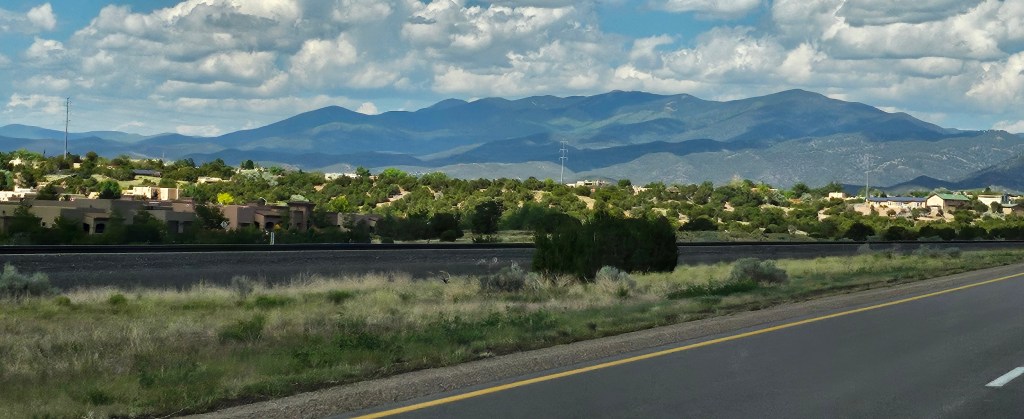
    Living here in the mountains of New Mexico with my amazing wife already feels like a blessing beyond words. And now, free of benzos, I feel a pull toward the things I once dreamed of and set aside. There are martial arts I still want to study. Skills I want to refine, like working with raw leather. Books I want to read and actually remember. Languages I want to learn. Paths of study and creativity that finally feel possible again.

    I never expected the emotional roller-coaster that would come with the one-year mark. But looking back, how could it be otherwise? Getting here wasn’t just hard. It was hell.

    And I walked through it.

    One of the most important things I want to do moving forward is help others who are still in withdrawal or who are standing at the edge, terrified of what it might take to step away from these drugs. This journey is brutal, and too many people walk it feeling unseen, dismissed, or alone. I couldn’t have done this without support and encouragement, and I know there are people out there who don’t have that.

    If I can offer even a small measure of hope, if I can help someone believe that survival is possible, then I want to do that. I want to pay forward the help that was given to me.

    To everyone who offered a kind word, encouragement, patience, or understanding… thank you. Truly. This has been a long and painful journey, but I made it.

    One year free.

    And for the first time in decades, the future feels open.

    Amituofo
     ~Buck