• This is part two, and the final part, of what helped me get into recovery, stay in recovery, and ultimately get off benzodiazepines.

    In the previous post, I talked about support, recovery groups like AA and NA, faith (including faith in yourself), and the importance of living authentically. I’ll continue here with several other things that were just as crucial for me.

    Nature

    Nature has been profoundly healing for me, especially when my nervous system needed to relearn what safety feels like after decades of being on constant alert.

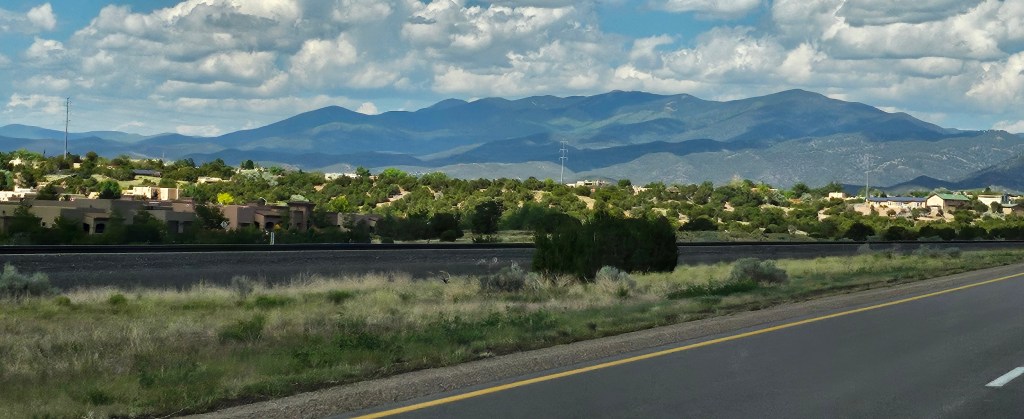
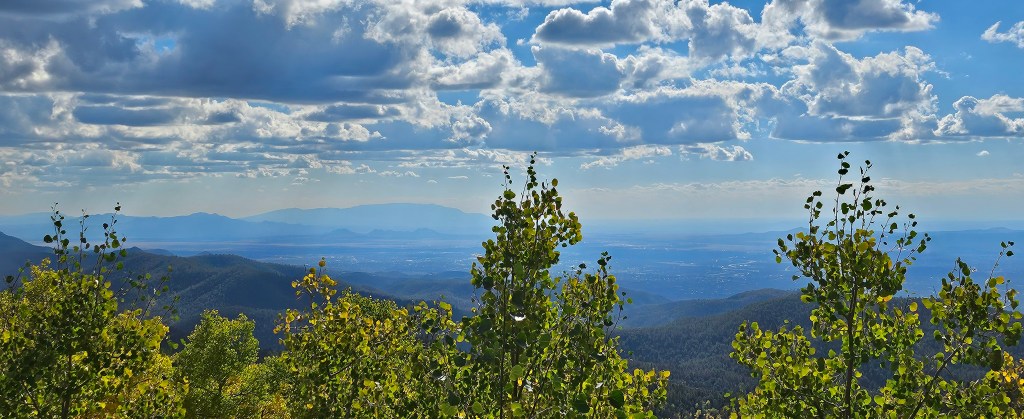
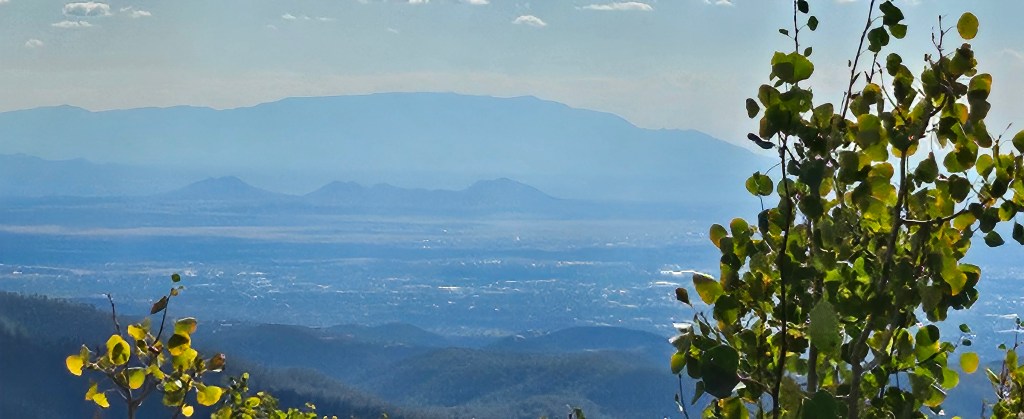
    The mountains quite literally held me during my hardest moments. Trees helped me stay upright when I could barely even stand. The forest animals were witness to my grief, and the earth caught my tears. What benzodiazepine withdrawal does to a person is almost impossible to describe, but my Lyfjaberg, my healing mountain, was always there for me.

    Cultures around the world recognize the healing power of nature. In Japan, there’s a practice called shinrin-yoku, or “forest bathing.” It doesn’t mean literal bathing in water, it means being mindfully present in a forested area and allowing the body to absorb the calming, restorative effects of trees and the natural compounds they release. It works for me.

    If you don’t have access to a forest, don’t worry. A park with trees, a trail, a quiet place outdoors, anywhere that allows you to breathe and feel held by the natural world, can help. Nature doesn’t require or ask anything from you in return. It simply receives and heals you.

    Meditation

    I meditate every day. For me, it’s as essential as food.

    Meditation brings my attention back to right now, the present. Even if that present moment is uncomfortable or unpleasant . When fear, worry, or physical symptoms are there, meditation helps me to look at those experiences instead of running from them. Over time, I’ve learned that when I do that those feelings often soften and eventually ease. They may return, but they no longer control me the way they once did.

    During withdrawal and even afterward, I worried a lot about my physical health. Benzodiazepine withdrawal did things to my body I never could have imagined. It brought intense pain and frequent runs of multifocal PVCs. When your heart feels like it might stop beating, it’s really hard not to be afraid. So I meditate.

    I’ve noticed that since I’ve lengthened my daily meditation practice, those PVC runs don’t last as long. I still have anxious moments, sometimes without even knowing why. I know now that this isn’t a failure, it’s my nervous system doing what it was trained to do. Your mind may know you’re safe, but your body may not believe it yet.

    There’s a well known book on trauma healing called The Body Keeps the Score, and that phrase is very real. When your nervous system has been conditioned over time to stay hypervigilant, it takes patience for it to learn safety again. Safety itself can feel unfamiliar, even uncomfortable, because the body is waiting for the next crisis.

    Meditation helps calm both the mind and the body. It isn’t a magic pill. Like everything else in recovery, it takes time, consistency, and commitment. You can’t just try it for a day or a week and decide it doesn’t work. Keep at it. It does work.

    Food

    Everyone has heard the phrase “eat healthy,” but in recovery it’s especially important.

    Healing is hard work. Your body is repairing itself, and that process requires energy and nutrients. Just as I talked in the last post about being mindful of what we consume mentally, what we feed our bodies matters too.

    It’s okay to enjoy treats now and then. But consistently nourishing your body with good food gives you the strength to get through each day. Your body has been through a lot. It’s working hard for you. Feed it well.

    The Desire, the Drive

    Finally, and this may be the most important part, you have to want freedom. You have to want to be clean more than you want to be comfortable.

    Addiction doesn’t mean you lack willpower. You do have it, otherwise you wouldn’t be here reading this. A friend of mine once said, “It’s not enough to be running away from something, you also have to be running toward something.”

    While you’re running away from addiction, you must also be running toward a goal. That goal is freedom. Sobriety. A life that belongs to you.

    Getting off alcohol was brutal. Getting off benzodiazepines was even worse. But I reached a point where I no longer wanted to be a slave to any substance. I wanted freedom more than I wanted comfort. And it was worth it.

    Substances no longer dictate my life. They no longer control my actions or my ability to experience joy. Once you reach the point where you’re no longer willing to let a substance keep taking from you, you’re already on the path to freedom.

    I hope these reflections help.

    I’ve written a lot about how difficult my recovery journey was. Now I want to share the freedom that came from it and help in whatever way I can. If you struggle with addiction, it does not mean you are a bad person. Addiction can lead people to do harmful and bad things, but recovery is possible. Don’t lose hope. Don’t give up. Reach out. Find support.

    There are people who want to help you. I am one of them. We want to see you heal, succeed, and live a life fuller and happier than you may be able to imagine right now.

    Amituofo
     
    ~Buck
  • This has turned into a much longer post than I intended, so I’m going to make it the first part of a two or three part series. Even this first part is long, but it feels important to share.

    I want to talk openly and plainly about some of the things that were, and are, absolutely essential in my recovery. There are far too many to cover in a single post, so I’m focusing here on the ones I know, without a doubt, that I could not have done without. I hope that by sharing them plainly, not just hinting at them in passing, I can help not only people in addiction recovery, but anyone who feels stuck, overwhelmed, or worn down by life.

    One important thing up front, these aren’t things you just read about and nod along to. They require participation. As many people in recovery have heard, “it works if you work it.” Healing, from addiction or from anything else, isn’t magic. It takes active effort. That effort can be gentle and smooth, but it does have to be real.

    These things aren’t listed in any particular order. They work together, as a kind of a holistic whole. Everyone is different, every body, every mind, so the language may need to be adjusted to fit your own situation. Still, I believe these principles can help almost anyone if they’re applied. They certainly helped me.

    Support

    We are social creatures. We need one another. In my case, my family was there for me through everything. Even in the darkest, most painful moments, they stood by me. I know that not everyone has that kind of support, and that matters. A lot. That’s where groups become so important.

    The support group I’m part of helped me in ways I can’t fully put into words. Groups like AA and NA, and others like them, exist for a reason. They are filled with people who understand what you’re going through because they’ve been there themselves. They know what works, what doesn’t, and what it really takes to stay in recovery.

    You can talk openly and honestly in those places. You can feel safe. And when something has been helping people for close to a hundred years, there’s a reason it has endured.

    Faith (Including Faith in Yourself)

    When people talk about faith, it’s often framed as belief in something “bigger” than yourself. That matters, but so does faith in yourself. That part is crucial.

    There’s a saying, “Whether you believe you can or believe you can’t, you’re right.” I want to be very careful with that. If you don’t yet believe you can overcome what you’re facing, that doesn’t mean you’re doomed. It just means you don’t yet have the tools you need. Faith is one of those tools.

    Throughout history, people have survived unimaginable hardship through faith of one kind or another. What makes faith so vital is that it keeps hope alive. And hopelessness is dangerous.

    When I was still on benzos, and alcohol before that,  and struggling with severe clinical depression, a doctor once told me something that I’ve never forgotten, “If you ever lose all hope, tell me. True hopelessness is deadly.” She was right.

    True hopelessness isn’t the same as feeling sad, discouraged, or even deeply depressed. It’s something even heavier. It’s the point where a person stops reaching out. Stops asking for help. Stops believing that help is even possible.

    If you or someone you love are feeling that kind of hopelessness, please reach out to someone now. In the States you can call or text 988, the Suicide & Crisis Lifeline, anytime, day or night. If you’re outside the U.S., local crisis lines are available in most countries. You are not weak for needing help. You’re human.

    Making Faith Your Own

    Here’s something that took me most of my life to understand… whatever your faith is, or isn’t, it has to be yours. This was one of my biggest struggles, and now I know that it played a role in keeping me trapped in cycles of shame and self-medication for decades. There is a deep, deep damage that comes from not being honest with yourself about what you truly believe. It’s hard to describe just how painful that kind of inner conflict can be.

    My family is almost entirely Christian. For decades, I tried over and over again to make myself believe the way they do. I even tried again during the early stages of withdrawal. I just couldn’t. And deep down, I knew what I believed all along, but I kept pushing it away. That hurt me, badly.

    I want to be really clear, I don’t blame anyone else for what I went through. I’m simply being honest about what helped me heal here.

    When I finally allowed myself to acknowledge, first privately, and then openly, what I truly believe at the core of my being, things changed for the better. I felt freer. More whole. More at peace than I ever had before in my life.

    Whatever you believe, or don’t believe, honesty matters. Your mind knows when you’re lying to yourself and so does your body. Medical science has long recognized that chronic internal conflict can show up as physical symptoms, and even illness. I lived that. Living authentically matters for healing.

    Your loved ones will still love you. They may struggle or feel uncomfortable, and that can be painful, but you are still you. You are still the person they love. And if someone does reject you for being honest about who you are, that relationship may not be safe for your recovery. Authenticity isn’t selfish. It’s necessary, and recovery work cannot be built around managing other people’s reactions. 

    You can’t allow yourself to think that you’re only well as long as everyone else is comfortable. That is not real freedom. That isn’t authenticity. You can’t tell yourself, “I’ll be honest, but only if it doesn’t make others uncomfortable”, because that’s not real honesty. I’m not advocating for conflict, I’m advocating for true authenticity and true honesty. And it’s not limited to faith, I use that example because I’ve lived it, it could be anything about yourself that you’ve always felt you had to keep hidden. Anything that makes you feel like you have to make yourself smaller in order for others to feel comfortable.

    I want to be clear that this isn’t a rejection of anyone else’s beliefs, nor a judgment of those who believe differently. It’s simply an honest account of what I needed in order to heal. People who are committed to misunderstanding you will do so no matter how gently you speak. If a reader in recovery sees themselves in my words and feels less alone, that is not outweighed by an adult choosing to be offended.

    Actively Choosing Peace

    Peace isn’t something you stumble upon “out there.” It’s something you cultivate. Your thoughts, your words, and your actions can either create peace or chaos. A lot of that comes down to what you consume.

    Consumption isn’t just food or drink. It includes the media you watch, the news you follow, the things you read, and even the conversations you regularly have. Anything that consistently feeds fear, anger, or despair is unhealthy, just like living on junk food would be unhealthy for your body.

    Most of us wouldn’t argue that eating highly processed food for every meal would eventually cause harm. The same is true for what we feed our minds.

    For me, one of the most healing choices I made was stepping away from the news entirely. News is designed to provoke fear and outrage, because fear and outrage keep people watching. This isn’t about politics, it’s about business models. Fear sells. Anger sells. Letting go of constant news consumption had a profoundly positive effect on my mental and emotional health. It wasn’t easy, but it was possible, and it was worth it.

    Choose peace where you can. In your thoughts. In your words. In your actions.

    I’ll share more soon.
    Thank you for reading! I wish you peace and strength.

    Amituofo
    ~Buck

    Photo Credit, my son, Ty Britt

  • How late is too late to work on oneself? When is it too late to become a better person, not just toward others, but toward yourself as well?

    At almost 60 years old, clean and sober now, I don’t feel that it’s too late at all. I do wish I had started sooner, a lot sooner, but I’m deeply grateful that I’m able to do this work now. I’ve already done the hard part, getting clean. That was huge. Staying clean, day after day, is huge too. I’ve made it a year now, and I know I can continue. I finally have faith in myself, a faith I’ve never had before.

    Something I’ve noticed since starting to truly work on myself is this… the kinder I am to myself, the kinder I naturally become toward others. And the kinder I am to others, even the “difficult” ones, the happier I am. In the past, I was an angry person. Especially when alcohol and benzodiazepines were in my life. Those substances were like gasoline on a fire. They fueled my anger and made it burn hotter and hotter. It consumed me, as fire always does.

    Then I went through another fire, benzodiazepine withdrawal. As painful and damaging as it was, that fire turned out to be a cleansing one. It burned away the facades and the masks and showed me what is real, what truly matters, and what is worth fighting for.

    I’m incredibly grateful to be able to make a fresh start, even at nearly 60 years old. It really does feel like a second chance at life. It’s exciting! I’m seeing the world through fresh eyes now, eyes no longer clouded by alcohol or benzos, and I like what I see. I’m sustained and energized by the love of my family, by my faith, and by life itself. In a very real sense, I feel renewed. For decades, I didn’t even know this kind of feeling was possible.

    I’ve also learned something essential… peace, real peace, starts within. I now believe, beyond any doubt, that if I want peace with others, I first have to cultivate peace within myself. So that’s what I do every day. I tend to it the way one tends a precious garden, watering the seeds of compassion and joy, patiently and intentionally.

    That doesn’t mean I don’t have bad days. I’m human. I still experience waves, the sudden, unexpected return of withdrawal symptoms. But now, instead of sinking into despair, I remind myself that those rough days are temporary. They pass. They always do. The joy returns.

    I had a great deal of support when I was getting clean, and I feel called now to pay that forward. If I can help someone, I will. I didn’t walk through all that fire and pain just to keep whatever goodness I found to myself. I receive a lot private messages, and they mean more to me than I can properly put into words. When someone tells me that something I wrote helped them, even if it was just enough to get through the day, it reminds me why I share any of this at all.

    Isn’t that what life is really about? Helping one another when and where we can?

    I understand completely why some people don’t want to comment publicly. That’s perfectly okay. Please keep sending messages, or use the Contact page here if you’d rather reach out that way. Wherever you are, and whatever you’re going through, I wish you strength and peace. Keep going. Don’t give up. And if you need help, please reach out, to me or to someone you trust.

    Amituofo
     ~Buck

  • Yesterday marked one year since my last benzodiazepine.

    For so long, this date was a horizon I wasn’t sure I’d ever reach. A promise, a fear, a measuring stick. I waited with hope, dread, and exhaustion. Now it has come and gone. What I find is not fireworks or finality, but a quiet, surprising spaciousness where the constant waiting used to be.

    And yet, last night, a brutal wave crashed through. A return of withdrawal symptoms. A nocturnal panic attack, my nervous system ablaze with the old, too familiar fire, robbing me of sleep and reminding me in no uncertain terms that healing is not a straight line. It was a stark, brutal companion for this anniversary.

    A friend called to congratulate me yesterday. He once said something that has stayed with me, “Whatever time we have left is ours now.” He is right. This time, however much is left, is mine. Not borrowed. Not managed by a pill bottle. Not dictated by the fear of the next dose, or the next wave.

    Mine.

    That possession doesn’t mean ease. My faith promises no such thing. What it, Buddhism, has offered, over and over, is something more honest… the capacity to meet life as it is, without being crushed by it. Last night, that meant sitting in the dark, with mindful breath, while my body screamed. My faith didn’t stop the pain. It helped me stay. It helped me remember that fear is not a command, it’s a visitor. It comes, it stays a while, and it leaves when it leaves.

    We spoke last night about how a Buddhist works the Twelve Steps. The question now answers itself in lived experience. The Steps aren’t about believing the right thing. They are about letting go of the illusion of control, telling the unvarnished truth, making amends, and learning to live without being run by fear and compulsion. As my friend said, “it’s about principles”. 

    Buddhism asks something profoundly similar.

    Not “believe this,” but “look deeply for yourself.”

    Look at craving. Look at suffering. Look at all the stories we tell ourselves about who we are and what we need.

    My recovery has been less about becoming someone new, and more about an unburdening. A setting down and letting go of what was never meant to be carried this long.

    There is grief in that. I won’t pretend otherwise. Grief for years dulled, moments missed, a life lived through a chemical fog. My faith doesn’t ask me to push that away either. Grief is part of love. Regret is part of waking up. But like a painful memory, it is not a place to live. I choose to live in the only place life can actually be lived, this present, this very moment. Here. Now.

    And so, today, even within the lingering tremor of last night’s storm, I feel something else rising more strongly.

    Permission.

    Permission to live forward without waiting for a finish line that may not look like I imagined. Permission to feel sparks of joy even while my nervous system stitches itself back together. Permission to trust that whatever time I have left, years, months, or just this single, shaky breath, belongs to this life. Right here. Right now.

    I don’t know what comes next. That’s just a fact. My practice has taught me that “not-knowing” isn’t a failure. It is a posture. A stance. A way of walking without armor, without waiting for the other shoe to drop.

    What I do know is this…

    I am no longer living under the constant, unrelenting shadow of addiction.
    I am no longer counting pills, or days between doses, or “emergency exits”.
    I am learning, moment by moment, how to be present for my own life.

    That feels like enough for today.

    And for the first time in a very, very long time, tomorrow doesn’t feel like something I have to survive.

    It feels like something I get to meet.

    Amituofo.
     ~Buck

  • One year off benzos today.

    Honestly, I didn’t think I would ever see this day. I was told, flat out, by doctors and pharmacists that I wouldn’t. That after more than twenty years, at high doses, this drug would always own a part of my life.

    Yet here I am.

    This has been the most difficult thing I’ve ever done in my almost sixty years of life. And as I write this, I’m realizing there isn’t just one emotion that fits something like this, there are many, all coming at once.

    I feel overwhelming gratitude. Gratitude for my wife and my sons, who stood by me when I was at my worst and never stopped believing I could survive this. Gratitude that I am alive to write these words. Gratitude that I am free from a drug that took so much from me.

    And there is grief too.

    Grief for the years lost. For the moments dulled, missed, or lived through a fog I didn’t even realize I was in at the time. That grief is real, and I’m letting myself feel it without letting it erase what this moment truly is.

    There is anxiety also. Starting over at almost sixty is no small thing. Learning how to live in a body and mind that are no longer chemically propped up is requiring courage. It requires patience. It requires relearning trust, especially trust in myself.

    But there is also excitement.

    An excitement that feels more real than anything I’ve known in decades. For the first time in a very long time, I am not a slave to a substance. My thoughts are clear. My curiosity has returned. My ability to learn, to feel deeply, to be present, these things are coming back.

    Living here in the mountains of New Mexico with my amazing wife already feels like a blessing beyond words. And now, free of benzos, I feel a pull toward the things I once dreamed of and set aside. There are martial arts I still want to study. Skills I want to refine, like working with raw leather. Books I want to read and actually remember. Languages I want to learn. Paths of study and creativity that finally feel possible again.

    I never expected the emotional roller-coaster that would come with the one-year mark. But looking back, how could it be otherwise? Getting here wasn’t just hard. It was hell.

    And I walked through it.

    One of the most important things I want to do moving forward is help others who are still in withdrawal or who are standing at the edge, terrified of what it might take to step away from these drugs. This journey is brutal, and too many people walk it feeling unseen, dismissed, or alone. I couldn’t have done this without support and encouragement, and I know there are people out there who don’t have that.

    If I can offer even a small measure of hope, if I can help someone believe that survival is possible, then I want to do that. I want to pay forward the help that was given to me.

    To everyone who offered a kind word, encouragement, patience, or understanding… thank you. Truly. This has been a long and painful journey, but I made it.

    One year free.

    And for the first time in decades, the future feels open.

    Amituofo
     ~Buck

  • How do you describe how badly something hurt you?

    How do you put into words something that didn’t just wound you, but rearranged your life and your body from the inside out?

    I’ve tried, over and over, to describe what benzodiazepine withdrawal does to a human being. I can give people pieces of it. I can give outlines. But the full weight of it? That resists language.

    Try to imagine this… everything you believed about yourself, your strength, your stability, your sense of being “you” is ripped away, not by trauma from outside, but by something happening inside your own nervous system. Now imagine that happening while your physical health begins to unravel at the same time. Blood work that was once normal is suddenly abnormal. Diabetes that was under control is no longer stable. Your heart develops rhythm disturbances. Blood test markers light up as if you have a raging infection, even though there is none, because your body is under so much stress it believes it is being attacked.

    For me, this isn’t imagination. This is what I lived through. And what I am still healing from.

    If I had truly known what withdrawal was going to do to me, I don’t think I would have chosen this path. But once I reached a certain point, there was no safe way back. There was only forward. That is the brutal truth of benzodiazepine withdrawal. At some point, it becomes a matter of survival, not choice.

    In my support group, one man did not survive. It became too much for him. I hope he has found the peace that he could not find in life. Several others had to go back on the drug because their bodies simply could not withstand the withdrawal. I don’t see them as weak. I tried many times myself before I was finally able to keep going. No one who has not lived inside this understands how narrow the path can become.

    Even my own doctor did not think I would successfully get off this drug. I did, but at a steep cost. In three days, I will be one year free from benzodiazepines, and I am still dealing with what they did to my nervous system, my heart, and my body as a whole.

    This experience is not the same as my past alcoholism. That may surprise some people, but it’s true. When I was drinking, I was making destructive choices, terrible ones, and alcohol made it easier to keep making them. With benzodiazepines, I was never in control of what was happening to my body or brain. I was never warned of the risks. I was never told that stopping could be dangerous or even deadly. You cannot simply “quit” benzodiazepines. Abrupt discontinuation or rapid tapering can cause seizures, heart rhythm disturbances, psychosis, and death. I personally experienced seizures during withdrawal.

    Today I live with what is called Benzodiazepine-Induced Neurological Dysfunction and autonomic nervous system disruption. No one can tell me how long this will last, only that it can take years. “Long-term use” is often defined as more than two to four weeks. I was on these drugs for over twenty years.

    To anyone reading this who is still taking benzodiazepines or who is in withdrawal… I am not trying to frighten you. But I will not lie to you. Too many people have been harmed by silence and minimization. If you want to understand how severe this can be, even for highly trained physicians, you can read the story of a cardiologist who went through this herself here.

    So how do I live now?

    I take life one day at a time. I don’t plan far into the future yet. My nervous system is still learning what safety feels like. I anchor myself in my family. In love. In simple moments. I pray. I meditate. I savor beauty. These aren’t small things. This is how I build a life after what I have endured.

    And I will keep telling this story.

    Not because I want to dwell in suffering or some such nonsense, but because too many people are being placed on these drugs without informed consent, and too many are being abandoned when they try to come off them. I am here. Others are not. And if my voice can help even one person feel less alone, or one doctor think twice, or one family understand what their loved one is going through, then this pain will not have been meaningless.

    I have walked through the fire to get here.
    I survived.

    And as long as I am here, I will speak.

    Amituofo
     ~Buck

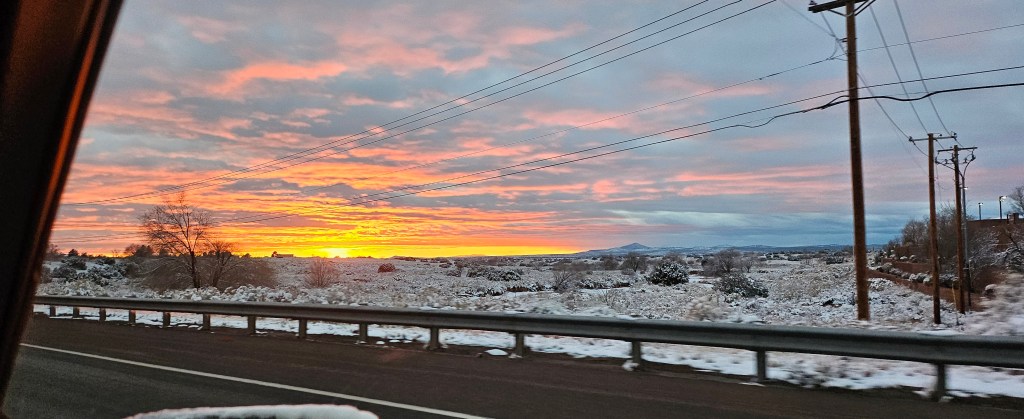
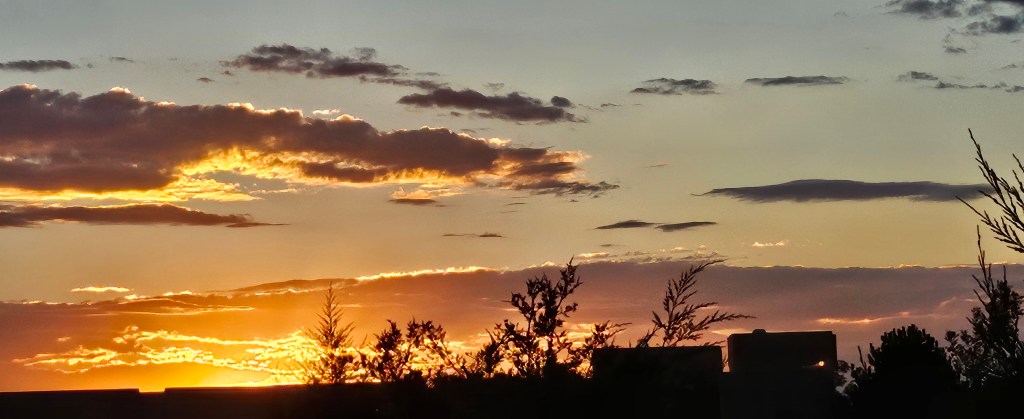
  • A couple of evenings ago,
    after a day and night of snowfall,
    we went out for food at one of our favorite places.
    When we came back outside,
    the sky looked like it had caught fire.

    New Mexico sunsets are always beautiful,
    but this one felt… alive.
    Pink and gold poured across the clouds,
    as if the mountains themselves were breathing light.
    I took pictures, of course,
    but photos can never capture what the moment really was.
    They never hold the way beauty enters the chest
    and quietly breaks you open.

    These days, that kind of beauty brings me to tears.
    After everything my body and mind endured in withdrawal,
    I feel moments like this with a tenderness
    I never knew before.
    Life no longer feels endless or disposable.
    It feels fragile.
    Sacred.
    Here, now, and not guaranteed.

    And it reminded me, again,
    how much place matters when we are trying to heal.

    I tried to get off benzos many times in Texas.
    Again and again I failed,
    ending up back in my doctor’s office,
    the dose raised,
    the fog thickened.
    The environment wasn’t wrong in some moral way,
    it just wasn’t right for me.
    The land, the pressure, the fear,
    the silence around who I really was…
    my nervous system couldn’t find rest there.

    Here, in New Mexico,
    something in me finally exhaled in relief.
    The mountains.
    The sky.
    The sacredness of this wide, open land.
    And most of all,
    the love and steadiness of my family.
    Everything aligned in a way it never had before
    and healing became possible for the first time.

    Five days from now,
    it will be one full year since my last pill.
    One year free.

    Even in the most beautiful place I’ve ever known,
    getting off benzos was the hardest thing I’ve ever done.
    But now I am here,
    awake inside my own life.
    No chemical fog.
    No muffled emotions.
    No false calm.
    And no anger.

    I feel things now.
    Really feel them.
    Joy.
    Fear.
    Grief.
    Wonder.

    And for the first time in my life,
    I am honest with myself about what I feel.
    I no longer tell myself “I don’t care”
    when something hurts or scares me.
    I care deeply.
    And that honesty,
    that simple, clear truth,
    has changed everything.

    It has also changed how I live with my past.
    I am finally able to look at what was done to me.
    And what I did to others.
    Not to punish myself
    but to heal.
    Alcohol once helped me bury it.
    Later, eight Klonopin a day helped me forget it.
    But you can’t heal what you have hidden and numbed.
    You can only heal what you are willing to look at and feel.

    And one of the deepest truths I had to face
    was what I truly believe.

    For decades, living in the “Buckle of the Bible Belt”,
    I learned to stay quiet about my own spiritual heart.
    To keep it hidden.
    To survive.
    I didn’t know how many others were doing the same
    until I left.
    Until I began to speak my truth.

    Being silenced, especially about something so intimate,
    slowly erodes a person’s soul.
    It makes you feel small,
    judged,
    alone.

    Now, I am free not just from substances,
    but free from pretending.
    Free to be genuine.
    Free to believe what I believe.
    Free to be myself without apology.

    That freedom has made me gentler.
    Kinder.
    More real.

    And it is why I keep writing.

    I write because it heals me.

    And because sometimes, quietly,
    someone reaches out to say,
    “I thought I was alone.
    But your words found me.”

    For those healing from addiction,
    I see you.
    For those who feel silenced for who they are or what they believe,
    I see you.

    Keep walking.
    Even if it means changing everything.
    Even if it means leaving a place behind.
    Peace is possible.

    I am living proof.

    May you find peace.
    May you heal.

    Amituofo
     ~ Buck

  • One of the many things I’ve noticed about myself since coming off benzodiazepines is how sensitive my heart has become, not just physically, but emotionally as well. Information, strong emotions, even what I read or witness online can now have a very real impact on my body.

    I’ve written before about how benzo withdrawal has caused multifocal PVCs for me, irregular heartbeats that can come in long runs, sometimes lasting twenty minutes or more. To say these episodes are frightening would be an understatement. The fear they trigger is primal, the kind that tells your body something is terribly wrong. Even when they aren’t happening, the anticipation of the next episode is exhausting.

    Sometimes there is a clear trigger. Other times there isn’t, they just happen. For me, one of the strongest triggers is strong emotion.

    For more than twenty years, while I was on benzodiazepines, I lived with a level of anger I couldn’t explain. At times it turned into outright rage. Trying to describe what it’s like to live that way would require an entirely separate post, so I won’t attempt it here. What I will say is this, since coming off the medication, that anger is gone. Completely. I still get upset, I’m human, but the deep, consuming anger and rage are no longer a part of my life.

    Because of this sensitivity, I now have to be very careful about what I take in, especially the news. Sometimes avoiding it is nearly impossible. The events themselves are distressing enough, but what troubles me even more are the reactions I see from people. Some are obvious trolls, often not even living in this country. But others are ordinary people, people whose hearts seem to have grown so cold that they mock and ridicule the pain and suffering of others based solely on political identity.

    I’ll be sixty years old in a couple of months, and I have never seen people so divided or so casually cruel to one another. Like everyone else, I have my own views. But I do not wish harm on those who disagree with me, nor do I ridicule them or their families when they are hurting. I may be naive, but I cannot understand the desire to add more pain to an already heavy world. It genuinely breaks my heart.

    This is why I mentioned my heart condition and why I limit my exposure to the news when I can. When I encounter pervasive hatred and dehumanization, it affects me deeply. Deeply enough to trigger runs of PVCs in my heart. These episodes aren’t just frightening. Over time, heavy PVC burdens can stress the heart, and certain arrhythmias can become dangerous.

    Because of that, mindfulness and spiritual practice are no longer optional for me. They aren’t something I turn to only in moments of crisis. Spirituality, by its very nature, is a practice, something cultivated daily, so that when hardship arises, it’s already rooted within us. Not forced. Not superficial. Already alive.

    For me, this isn’t lofty idealism. It’s survival. After what withdrawal did to my nervous system and my heart, I simply cannot afford to live in anger, hatred, or constant emotional agitation. I lived that way for too long.

    As Thich Nhat Hanh taught so often, those who cause great suffering are themselves deeply suffering. The seeds of anger, fear, and hatred in their minds have been watered until they’ve crowded out compassion and peace. In my own life, I’ve never known a person grounded in love and inner peace who intentionally caused harm to others. Those who did were almost always consumed by anger themselves.

    Anger has never overcome anger, not once in human history. I wish more of us could see that. I also wish I had understood it sooner.

    It is my belief that if people truly practiced the values they profess, religious or otherwise, the world would be safer and kinder. Those without religious beliefs are not excluded. Practices like meditation have been shown to calm the mind and cultivate compassion, even among people who once committed serious acts of violence. Change is possible. Violence isn’t only physical, it can be verbal and emotional as well.

    The world, and this country, feel increasingly tense and hostile. My heart can no longer carry that weight. So I do the only three things I can… I limit what I take in, I practice my spirituality, and I offer peace where I’m able. I fail sometimes. When I do, I begin again.

    That is all any of us can do.

    I wish you peace.
    May we all tend carefully to the seeds of compassion that already live within us.

    Amituofo
     ~ Buck

  • In the past, I made New Year’s resolutions and almost always failed at them. Looking back, it’s clear why… most of them were unrealistic and disconnected from the realities of my life at the time. Eventually, I stopped making resolutions altogether.

    This year is different.

    This year, I’ve made resolutions I know I can keep because they’re rooted in reality, not ambition. I kept them simple and focused on health, well-being, and how I live each day.

    Last year, during benzodiazepine withdrawal, I wasn’t working toward goals or self-improvement. I was in survival mode. Literally taking life one day, sometimes one minute, at a time. It took everything I had just to endure. There was no room for lofty goals beyond one essential task… keep going to survive.

    Living through that ordeal brought absolute clarity about what truly matters to me. Family. Health. Spiritual practice. Not status, not wealth, not possessions. Now that I’m clear-headed and free of substances, I understand, more deeply than ever, what makes for a good life.

    One of my resolutions this year is to live my faith more fully and more honestly. That commitment was tested recently when I saw Buddhist monks being protested online during their peace walk across the United States. I had to focus and remind myself not to become angry and say bad things to those people saying bad things about the monks and their peace walk.

    After more than a year of intense inner work and healing, I’ve come to understand something important… peace is not passive. It’s not a slogan or a banner waved at others. Peace is something we actively cultivate within ourselves so that we don’t add more hostility to an already wounded world.

    So I’m reflecting inward. Can I meet disapproval with grace? Can I offer goodwill without expecting it in return? This is my practice now.

    This year, I choose to protect my inner peace not by building walls between faiths or people, but by dissolving barriers with kindness. I choose to meet fear with calm, judgment with peace, and division with a quiet heart. I choose to honor the sacred in all sincere paths, even when they differ from my own.

    Withdrawal taught me things about myself I never wanted to learn, but am grateful to know. I learned that I have a strength I didn’t realize I had. There were moments when survival was not a metaphor, it was literal. There was only one option and that was to keep going.

    Once I reached a certain point, there was no turning back. Returning to the drug risked kindling, and I had already experienced seizures. Giving up was not an option. I had to keep walking forward, one step at a time.

    When I say my family and my faith carried me through, it is no exaggeration. I know I couldn’t have done it without either. Because of that, I feel a responsibility now, not just to live in peace, but to offer peace where I can.

    For me, that means learning not to fall back into my old, reactionary patterns. When someone offends me or ridicules my beliefs, I’m practicing pausing before responding. Meeting rudeness with rudeness only destroys my own peace and adds to the suffering already present.

    There’s a story in the Buddhist tradition where an angry man insults the Buddha, questioning him and calling him names. The Buddha responds calmly by asking, “If you buy a gift for someone and they don’t accept it, to whom does the gift belong?”

    The man answers, “It belongs to me, because I bought it.”

    The Buddha smiles and says, “Exactly. It is the same with your anger. If you offer it to me and I do not accept it, it remains with you.”

    That is one of the teachings I’m practicing now.

    I’m clear-headed enough to know that I don’t have to respond to every provocation, online or in person. I can’t change the world, but I can make my small corner of it more peaceful.

    Wherever you are, and whatever you’re going through, I wish you good health, steadiness, and peace.

    Amituofo
     ~Buck

  • This is a response to some of the messages I’ve received regarding my last post.

    I didn’t write that post to offend anyone. It was written to reflect on something I find deeply troubling… the fact that a simple call for peace can provoke anger and hostility. When peace itself becomes offensive, it’s worth pausing to ask why.

    The monks walking for peace are not demanding agreement, conversion, or compliance. They are offering a message that transcends religious boundaries. The discomfort some people feel does not seem to come from the idea of peace itself, but from who is expressing it. When peace is dismissed or attacked solely because it comes from a different spiritual tradition, that reveals more about the reaction than the message.

    This points to a broader issue in the United States, one I’ve witnessed throughout my life. That of some people believing their particular religion should be above and beyond any questioning. No individual or religion is beyond questioning, and none should be. The First Amendment protects freedom of religion precisely because no single belief system is meant to stand above all others or beyond scrutiny. That principle is foundational to this country.

    The United States is not, and never has been, a theocracy. Our Constitution explicitly rejects that model. Freedom of religion means freedom for all religions, or none at all, to exist and be practiced without harassment or coercion.

    So I would gently ask those who are offended by the monks’ walk for peace to reflect on this… are your words and actions aligned with the values of religious freedom you claim to support? Peace does not threaten faith. It does not diminish belief. It does not belong to any one tradition.

    No religion has a monopoly on peace. And peace is not expressed through shouting, insults, or condemnation of others. As is said in the Christian scriptures, “These people honor me with their lips, but their hearts are far from me.” Those words remain a meaningful reminder that outward identity matters far less than inward character.

    Peace is not the enemy. And it never was.

    Amituofo
     ~Buck